+1 (954) 787-2570

Email: hello@eurastechnology.com



Engaging an injection waterproofing contractor without verifying their accreditations is a procurement risk. If the wrong team carries out high-pressure injection, you can face programme delay, difficult liability recovery, and disproportionate remediation cost — verification before award is the safeguard. For standard trades, a CSCS card and insurance are broadly sufficient. For specialist injection waterproofing — where the work involves high-pressure equipment, active water flow, confined spaces, and decisions about material selection that directly affect structural performance — the bar is higher.
This article sets out what accreditations you should expect, what each one covers, and what minimum verification you should complete before contract award. For what specialist injection subcontractors actually do on site — before you check their certificates — see what a specialist injection subcontractor does and when to use one.
A credible specialist injection waterproofing contractor in the UK should hold accreditations across four categories.
CSCS cards are the minimum site entry requirement for construction professionals in the UK. For injection waterproofing operatives:
Verify CSCS cards using the Check a Card online tool — it confirms card validity and expiry in real time. Do not accept a photograph of a card as verification; check it directly.
SSSTS (2-day course, 5-year renewal) is the minimum qualification for anyone supervising injection waterproofing operatives on site. It covers site safety responsibilities, risk assessment, and legal duties for supervisors. Any injection waterproofing site team should have at least one SSSTS-qualified supervisor. (SSSTS refresher courses are shorter — confirm the qualification held matches the role.)
SMSTS (5-day course, 5-year renewal) is required for site managers responsible for the overall health and safety management of an injection project. For larger or more complex projects — multi-bay treatment programmes, confined space work, critical infrastructure — SMSTS qualification should be the minimum for the contractor's named site manager.
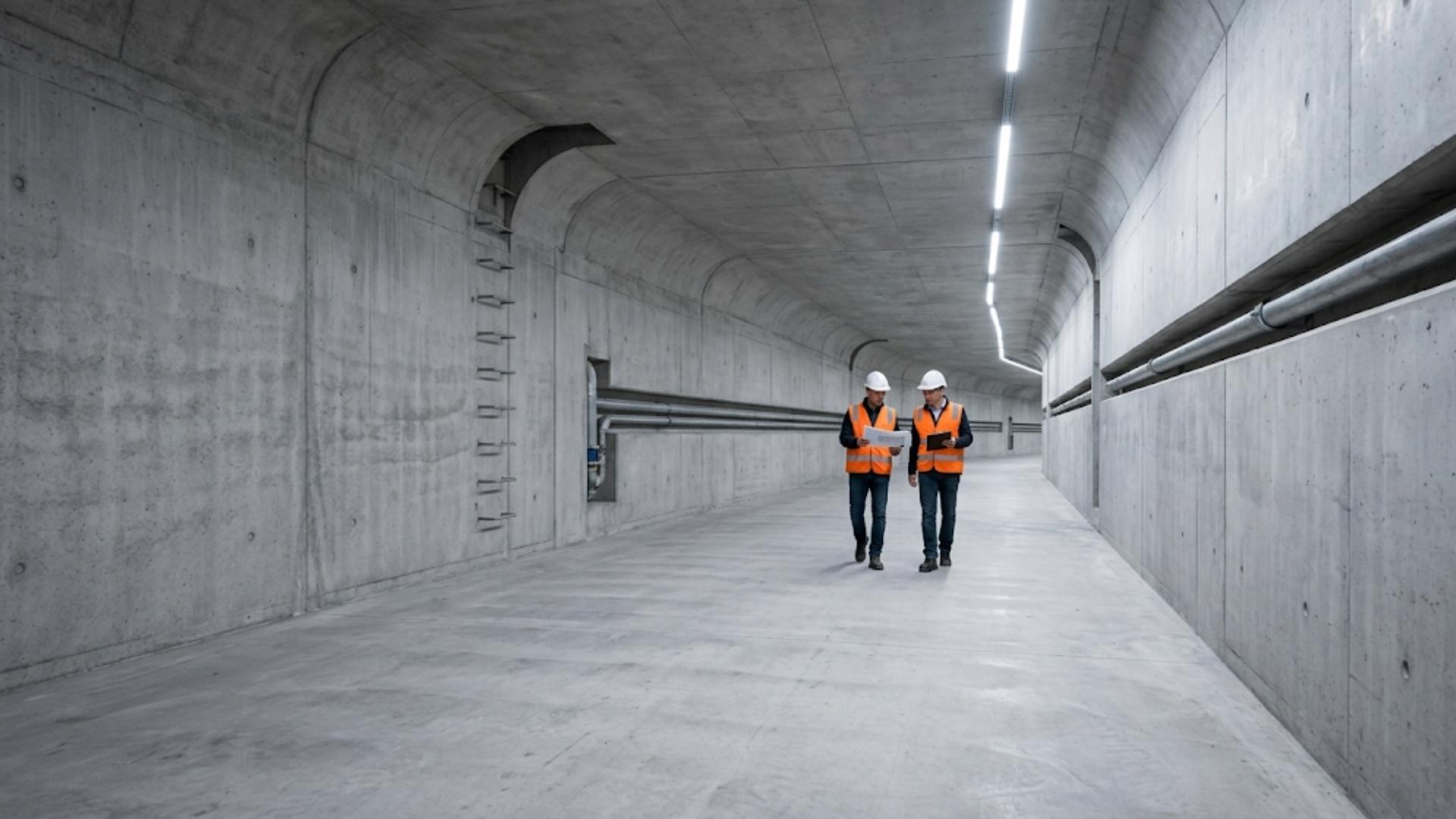
Injection waterproofing in tunnels, dam galleries, underground pits, and enclosed utility vaults constitutes confined space work under the Confined Spaces Regulations 1997. The regulations impose specific duties:
For injection work in confined spaces, confirm:
This is not negotiable for any below-ground gallery or tunnel work. An injection contractor who cannot provide current confined space training records and a site-specific rescue plan should not be permitted to enter the confined space.
For emergency situations where accreditation must be confirmed under time pressure, our emergency leak repair service is delivered by teams that hold the certifications required for critical infrastructure environments.
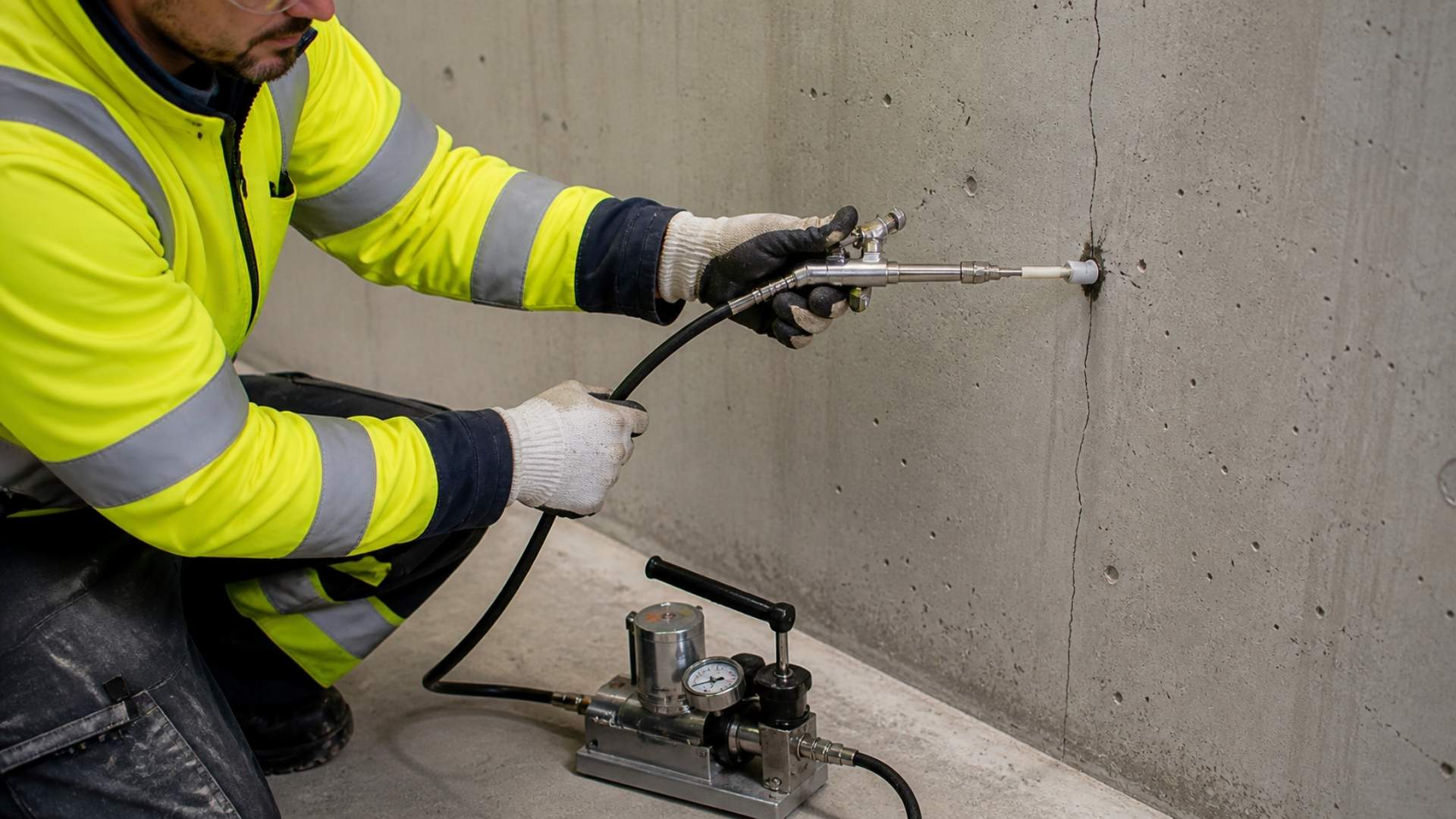
Injection gel materials — particularly mineral-based systems like EURAS® Gel Type B — require specific application knowledge: injection pressure management, port sequencing, gel-return monitoring, pressure testing. This knowledge is not transferable from general waterproofing practice.
Credible injection contractors hold manufacturer training certification for the specific product they are applying. This typically means:
How to verify: Ask the contractor to provide the manufacturer training certificate for the lead operative on your project. The certificate should name the individual, the product, and the training date. A certificate that is more than 5 years old or names a different individual than the operative attending site should prompt a follow-up query.
For EURAS® Gel Type B, our certified contractor network is managed directly by EURAS Technology. If you are engaging a contractor who claims EURAS certification, we can verify their status directly. Contact EURAS to verify contractor accreditation
The Property Care Association (PCA) is the UK's primary trade body representing structural waterproofing contractors and specialists. PCA contractor membership indicates a company that has been assessed against PCA standards (technical competence, financial standing, and health and safety capability).
For injection waterproofing contractors specifically, look for:
PCA membership is not a mandatory licence to trade, but it is a meaningful indicator of a contractor who treats waterproofing as a primary specialism — not an occasional add-on service.
Minimum insurance for a specialist injection waterproofing contractor:
Insurance TypeMinimum LevelPurposePublic Liability£5 millionThird-party injury or property damage from contractor's operationsEmployers' Liability£10 million (statutory requirement)Injury to contractor's own employeesProfessional Indemnity£1–2 millionWhere contractor is making design-level decisions about the repair specification
For critical infrastructure projects — dams, tunnels, live operational power plants — higher insurance limits may be appropriate. Confirm with the contractor's broker before contract award.
Professional indemnity insurance is particularly relevant where the injection contractor is specifying their own injection programme (material selection, port layout, pressure specification) rather than executing a specification prepared by an independent engineer. Where the contractor is doing both — specifying and executing — professional indemnity is essential.
Beyond the minimum accreditations above, certain project types require additional qualifications:
Potable water structures (reservoirs, water treatment facilities):
Railway structures (tunnels, embankments, structures within the railway boundary):
Marine and coastal structures:
Highway structures (bridges, retaining walls, culverts):
The credibility of an injection waterproofing contractor is not only demonstrated by their certificates — it is demonstrated by the infrastructure clients who commission repeat work.
EURAS Technology specialises in injection waterproofing for critical infrastructure — dams, tunnels, underground car parks, and industrial facilities. Our EU-patented mineral gel technology has been applied across Europe, the Middle East, and North Africa for over 25 years, working alongside clients who require the full range of accreditations described in this guide.
EURAS Technology and its certified contractor network have been engaged by:
Each of these engagements required a demonstrable accreditation framework — PTS certification for rail, confined space plans for hydropower galleries, and DWI-listed materials for potable water structures. These were contractual conditions, not hypothetical checklists. The accreditation framework exists because the consequences of incorrect injection in critical infrastructure — structural damage, contamination, operational failure — are disproportionately serious.
EURAS Technology can verify the accreditation status of contractors in our certified network and advise on the appropriate qualification requirements for your specific project type. Contact our team
For a practical framework on shortlisting contractors, see how to choose a specialist injection waterproofing contractor. For the role of the specialist subcontractor in the supply chain, see what a specialist injection subcontractor does and when to use one.
Is there a single approved contractor list for injection waterproofing in the UK?
No single approved list covers injection waterproofing as a specific trade. PCA contractor membership, CSCS verification, and manufacturer certification are practical industry-wide indicators. For specific infrastructure sectors (rail, highways, water), sector-specific supply chain requirements apply.
How do I verify CSCS card status if I cannot see the physical card?
Use the CSCS card checking service (including the Smart Check app and online checker). You need the card scheme, the individual's registration number, and surname — that confirms card type, validity, and qualifications without needing the physical card.
Does the injection operative need to have both CSCS and manufacturer certification?
Yes — these address different competencies. CSCS is site safety; manufacturer certification is technical product competence. Both are required for a fully credentialled injection operative.
Can a contractor self-certify their confined space competency?
No. Confined space training must be delivered by a recognised training provider. Self-certification does not satisfy the Confined Spaces Regulations 1997.
Is professional indemnity insurance required if I am providing the injection specification myself?
If you (as the engineer or facility manager) are providing the specification and the contractor is executing it, professional indemnity on the specification side rests with you. The contractor's professional indemnity is relevant for any decisions they make about how the specification is implemented.
What happens if an unaccredited contractor causes structural damage during injection?
Liability depends on the contract and insurance position. If the contractor lacks professional indemnity and their insurance is insufficient to cover the damage, recovery can be difficult. Verifying insurance and accreditation before contract award is the risk mitigation.
The accreditation requirements for a specialist injection waterproofing contractor are not bureaucratic overhead — they are the indicators that separate contractors with genuine specialist capability from those offering injection as a peripheral service. CSCS certification, confined space training, manufacturer product accreditation, PCA membership (and CSSW where design is in scope), and appropriate insurance together form a minimum threshold that any credible specialist should meet without difficulty.
Verifying these accreditations before contract award is a short process that protects your programme, your structure, and your procurement record.
Next step: Request a no-obligation site survey or speak to our team about contractor verification and injection scope.
Request a site survey | Learn about our injection waterproofing service | Emergency leak repair