+1 (954) 787-2570

Email: hello@eurastechnology.com


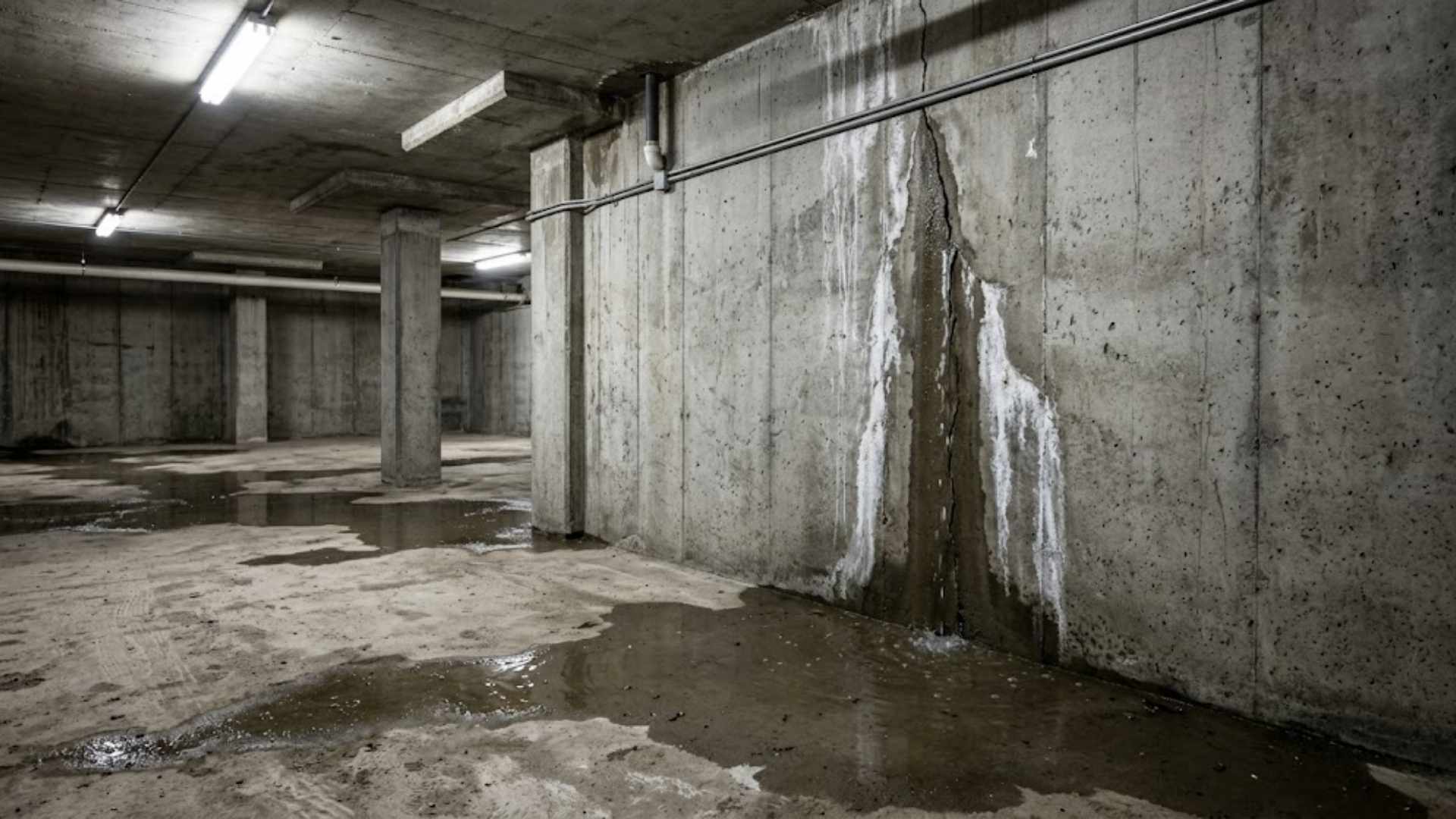
An active water ingress problem on a construction site is a programme event. Every day the leak continues is a day of potential concrete damage, reinforcement corrosion, and delay to follow-on trades. When the question reaches the main contractor, the first question is almost always the same: how fast can you get someone on site?
Every day of delay carries cost — in concrete programme slippage, follow-on trade standdown, and potential damage escalation. This article gives concrete, programme-useful answers — the actual factors that determine mobilisation time and what contractors can do to compress it.
For a technical overview of what specialist injection work involves, see our guide to concrete crack and injection waterproofing.
Injection waterproofing mobilisation speed depends on four variables: urgency classification, contractor pre-qualification status, site access conditions, and material availability.
The first classification that must be made is whether the leak represents an emergency or an urgent (but non-emergency) condition.
Emergency indicators:
Urgent non-emergency indicators:
Emergency classification triggers a different response pathway: a properly resourced specialist injection contractor will maintain emergency deployment capability with 24–48 hour response. This typically means a two-person team with a fully-loaded response vehicle carrying the core injection materials and equipment needed for first-phase flow stoppage.
The biggest avoidable delay in injection waterproofing mobilisation is contracting friction. If a specialist subcontractor has not been pre-qualified by the main contractor or principal contractor's supply chain, the engagement process — insurances, CSCS checks, method statement review, pricing — can add, in our experience, typically 5–10 working days to a mobilisation that otherwise would take 48 hours.
The remedy is simple: pre-qualify a specialist injection waterproofing subcontractor on your supply chain before water ingress occurs. This is straightforward for any underground, basement, or civil structure project — it is foreseeable that injection waterproofing may be needed. Pre-qualification typically takes less than two hours of administrative effort and removes the single biggest mobilisation delay from the programme.
Injection waterproofing requires access to the ingress points from within the structure. Conditions that compress or extend mobilisation include:
Specialist injection gel (particularly mineral gel formulations) is not stocked by general builders' merchants. If the contractor is mobilising from a regional depot, material availability is typically not a constraint — a properly resourced specialist keeps core materials in stock. If the project requires unusual volumes or specialist high-pressure ancillary equipment, allow 2–3 days for logistics.

Once the team is on site, the injection programme is faster than most main contractors expect.
Day 1 — Assessment and drilling:
Day 2+ — Full profile injection:
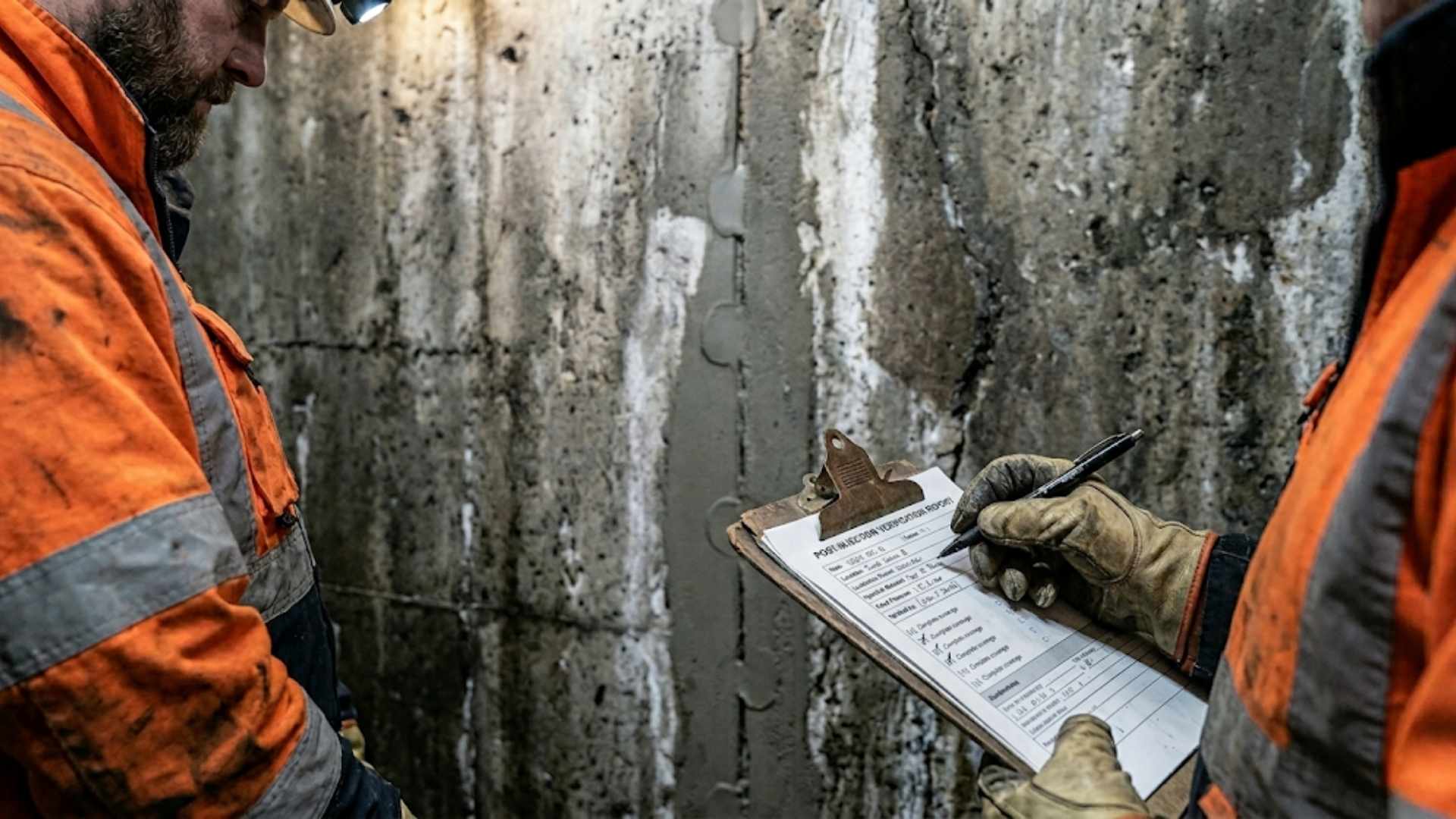
Verification:
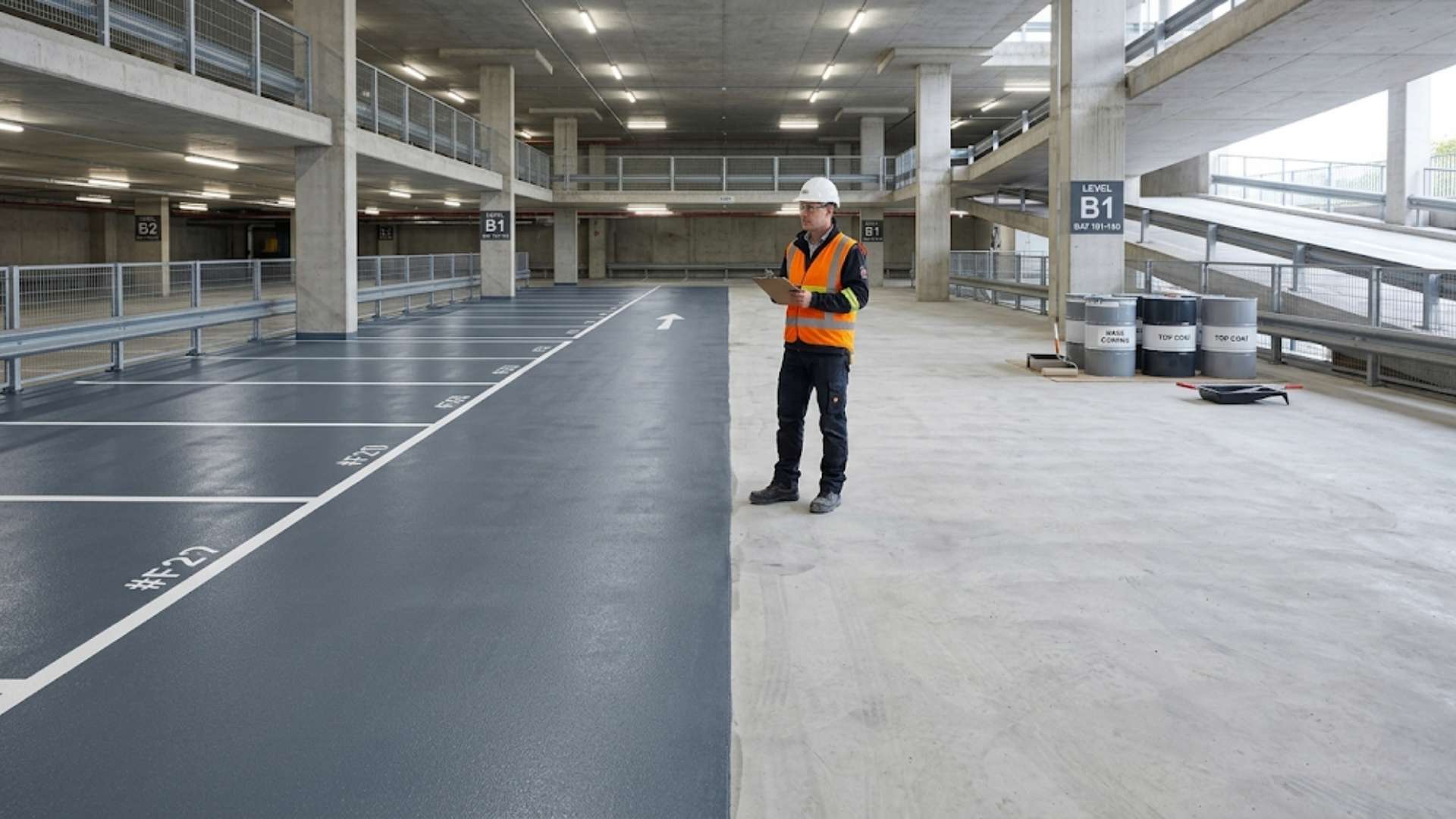
Large-area works — multiple bays, extensive slab soffit treatment, full tunnel cross-section injection — are planned as a phased programme. Based on EURAS project experience, a typical underground car park with 500 m of joint treatment can be completed in 5–10 working days on site.
For more detail on how injection fits alongside ongoing site operations, see can injection waterproofing be carried out while other trades are working.
At HEC Sveta Petka — a strategically critical hydroelectric plant in North Macedonia — active water ingress had developed in the penstock access galleries that serve as inspection corridors for the main pressure conduits. Previous repair attempts using conventional methods had failed. The plant operator could not allow the galleries to remain in a deteriorating state given the safety and operational dependencies.
EURAS's certified contractor team mobilised within 48 hours of the emergency contact. Assessment on arrival confirmed active flow at construction joints and micro-crack locations in the gallery walls and floor slab. High-pressure injection of EURAS® Gel Type B at up to 180 bar was performed in a single campaign, working sequentially along the gallery.
The repair was completed without any interruption to plant operations. No re-leakage was observed during post-project inspections. The 48-hour mobilisation was possible because the contractor was already equipped, experienced, and resourced for this class of work — there was no contracting setup delay.
EURAS Technology specialises in injection waterproofing for critical infrastructure — hydroelectric plants, tunnels, underground car parks, and industrial facilities. Our EU-patented mineral gel technology has been deployed in emergency and planned works across Europe, the Middle East, and North Africa for over 25 years.
If you're facing similar programme pressure — an active leak threatening your schedule or an urgent need to get operatives on site quickly — our specialists can assess your situation and advise on mobilisation.
Contact our emergency team | Emergency leak repair service | Concrete crack injection service
The practical steps that reduce mobilisation time from notification to operatives on site:
Can injection waterproofing be mobilised over a weekend or bank holiday?
For genuine emergency response — yes. A properly resourced specialist contractor will respond to an emergency call-out regardless of day. Planned or urgent non-emergency works are typically scheduled for working days.
Do I need a fully priced tender before mobilisation, or can I start on a day rate?
Yes — emergency mobilisation is often started on a day rate or Schedule of Rates basis; full scope pricing is then confirmed once the team has assessed conditions on site. That sequence is common practice for active-leak response when the full extent of work cannot be priced accurately in advance.
How many operatives does a typical injection team consist of?
A standard injection team is two operatives — one operating the pump, one at the injection port. For large-area works with multiple pump sets operating simultaneously, teams of 4–6 may be deployed.
Can I get a price without a site visit?
A preliminary indicative price can be given based on photographs and a description of the structure and ingress conditions. The firm price must be based on a site visit. For emergency mobilisation, pricing is often confirmed on the day of the site assessment visit.
Will injection waterproofing work delay the concrete programme?
Typically not. Injection work in a localised area creates minimal disruption to adjacent concrete operations. EURAS® Gel Type B sets on contact with water, meaning treated areas are typically stable within hours — follow-on concrete work can generally proceed in the same shift, subject to ambient conditions and concrete moisture content.
What qualifications should a specialist injection waterproofing contractor hold?
Expect CSCS (skilled worker grade or above for operatives), confined space training where galleries or tunnels apply, manufacturer certification for the injection system proposed, and appropriate insurances. For a full UK checklist, see our guide to injection waterproofing contractor accreditations.
Can injection waterproofing be mobilised in cold or wet weather?
Yes — cold and wet weather do not usually prevent mobilisation. They can affect cure times, access, and working conditions; the specialist will reflect this in the method statement and programme. Raise forecast conditions on first contact so materials and sequencing can be planned.
Is 24-hour response available for leaks in occupied buildings as well as construction sites?
Yes. Emergency injection response applies to both construction sites and occupied structures (basements, car parks, tunnels in service). The response pathway is the same.
Injection waterproofing can be mobilised in 24–48 hours for genuine emergency conditions. For urgent non-emergency situations, 3–7 working days is realistic. Pre-qualification of a specialist subcontractor — done before water ingress occurs — removes the single biggest avoidable delay from your programme and converts a potential crisis into a managed event.
Next step: If an active leak or programme-critical ingress is affecting your site, request a no-obligation site survey — our team will assess conditions, confirm mobilisation options, and recommend a permanent solution.
Request a site survey | Learn about our emergency leak repair service | Learn about what a specialist subcontractor does