+1 (954) 787-2570

Email: hello@eurastechnology.com


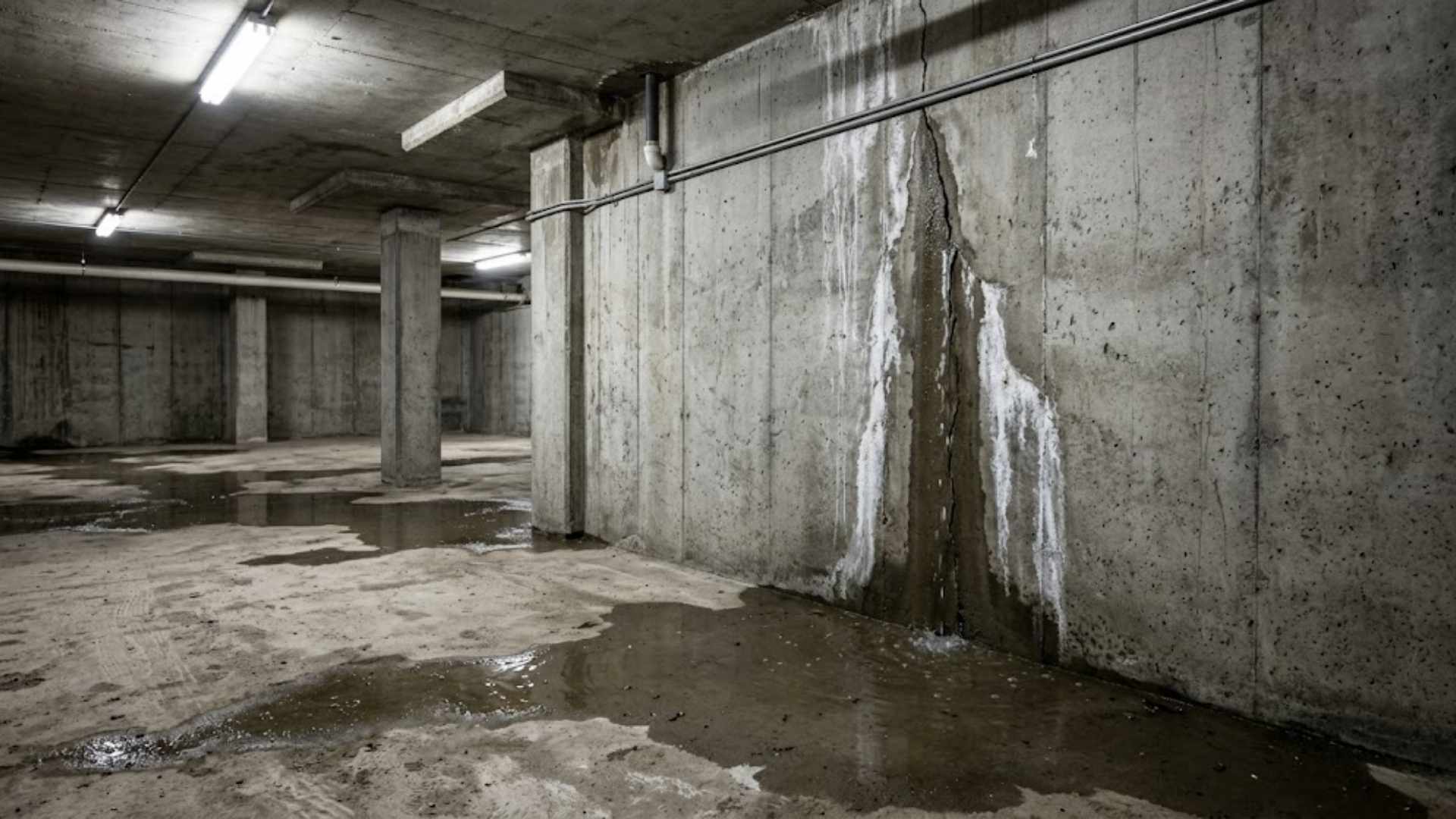
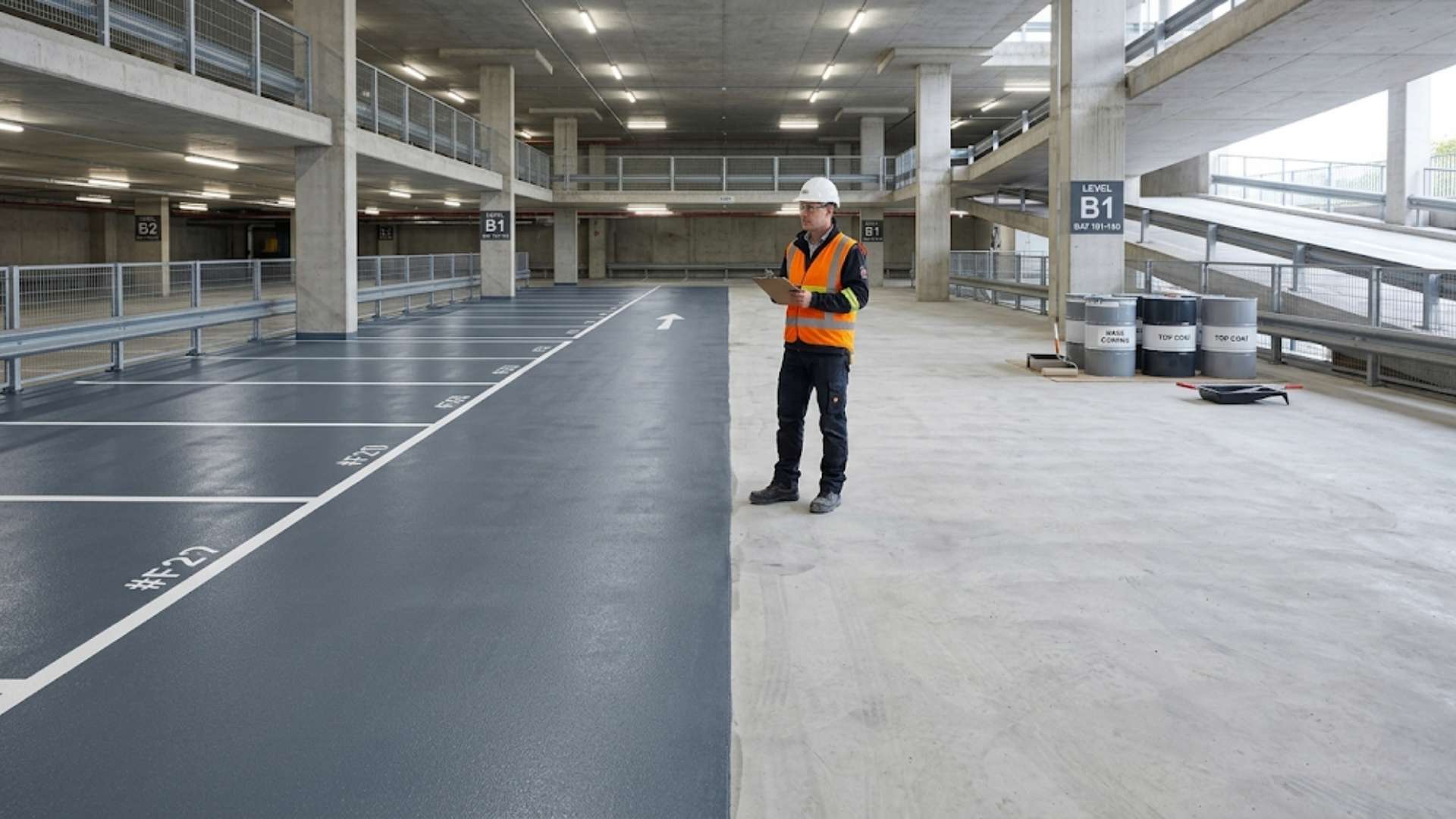
The cost difference between proactive and reactive waterproofing is not incremental — it's exponential. Research on infrastructure maintenance — including a study of rail infrastructure published in Structure and Infrastructure Engineering — consistently shows that proactive preventive maintenance is significantly cheaper than reactive repair when downtime and user-disruption costs are included. The same logic applies to waterproofing: every pound spent on proactive repair can prevent three to five pounds in future remediation, with operational disruption magnifying the gap further.
This guide breaks down the real costs of waterproofing approaches in the UK market, explains why the cost gap widens over time, and provides the data facility managers need to justify early intervention to stakeholders. If you're weighing whether to act now or budget for later, the numbers make the decision clear.
Key takeaways:
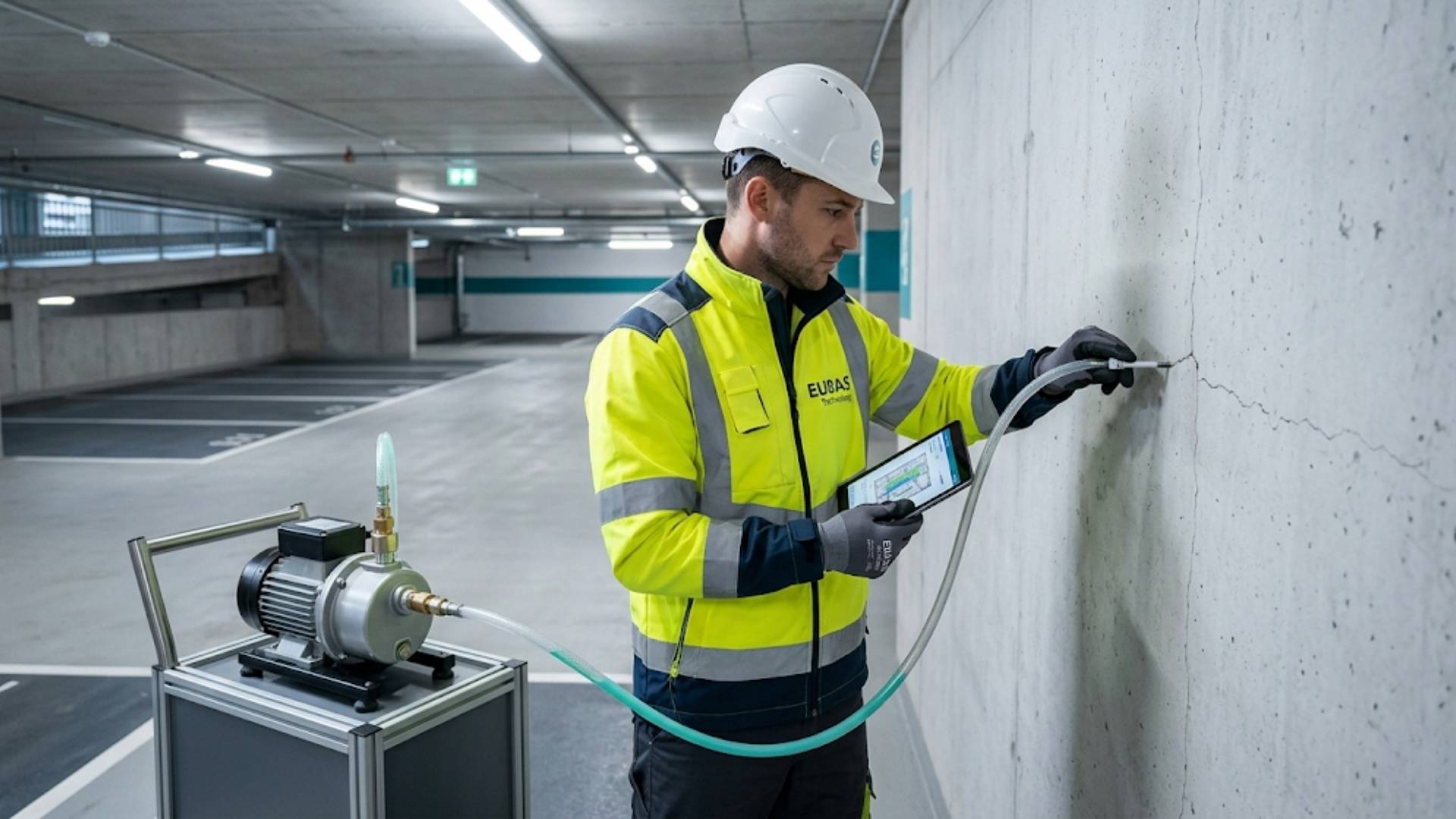
Injection Waterproofing (Crack and Joint Sealing)
These costs include mobilisation, injection equipment, materials, and labour for a typical below-ground structure. Most projects are completed in 1–3 days with minimal disruption.
Type A Waterproofing (Applied Membranes)
Type C Waterproofing (Cavity Drain Systems)
Type B Waterproofing (Integral Concrete)
When water ingress has progressed to structural damage, repair costs escalate dramatically.
Concrete Patch Repair
Reinforcement Treatment
Structural Repair and Strengthening
Access and Preparation Costs
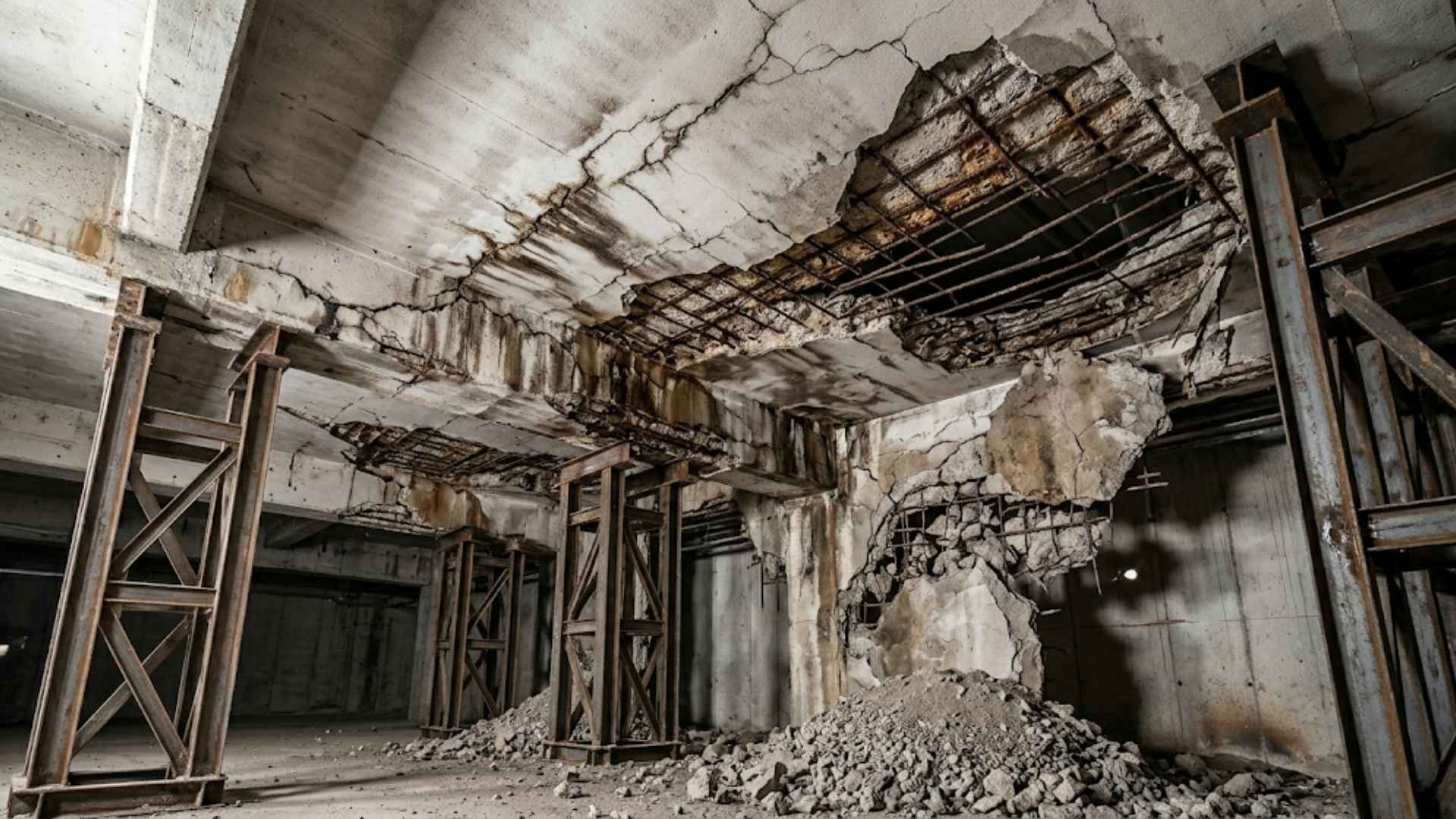
Water ingress doesn't stabilise — it accelerates damage. A small crack that admits groundwater becomes a pathway for chloride penetration, which initiates reinforcement corrosion, which expands and cracks the concrete further, which admits more water. Each stage multiplies the repair scope.
Year 1 water ingress scenario:
Year 5 (same location, untreated):
Year 10 (same location, still untreated):
This progression is documented in case study after case study. The cost multiplier between Year 1 and Year 10 intervention is typically 10× to 30×.
Direct repair costs are only part of the equation. Reactive repair requires:
Proactive injection waterproofing, by contrast, often completes in 1–3 days without closing facilities. At an underground car park in New Belgrade, EURAS completed full leak sealing at injection pressures up to 130 bar without closing the facility to users.
Facility owners have a duty of care to maintain safe premises. Known water ingress problems that are documented but not addressed create:
Proactive intervention eliminates these liabilities. The repair is completed, documented, and warrantied — the risk is managed.
For facility managers presenting the case to stakeholders, the calculation framework is straightforward:
Option A: Act Now (Proactive)
Option B: Defer 5 Years (Reactive)
Option C: Defer 10 Years (Major Remediation)
The ROI of Option A over Option C is significant — potentially 10:1 or higher when all costs are included. Even comparing Option A to Option B, the return on early investment is clear.
When presenting to property owners, boards, or investment committees, facility managers should prepare:
The presentation is not "spend money now" — it's "invest £5,000 now to avoid £50,000 later."
The cost differential is not theoretical. At the Marina Limassol underground garage in Cyprus, widespread water ingress had been developing for years through construction joints and cracks. By the time EURAS was engaged, the project required over 12,000 kg of mineral gel to seal thousands of cavities and crack pathways across the entire garage perimeter.
The intervention was successful — all active leaks were eliminated, chloride ingress was significantly reduced, and the structure was protected against further deterioration. But the scale of work reflected years of water exposure. Had the facility addressed the initial leaks when they first appeared, the repair scope would have been a fraction of the eventual project.
The same pattern appears across our project portfolio. Early-stage intervention at a potable water reservoir in Usingen, Germany required targeted injection at construction joints — a manageable scope. Emergency response at hydropower facilities, where water ingress had progressed to active flow under high pressure, required 48-hour mobilisation and high-pressure injection at up to 150–200 bar.
EURAS Technology specialises in injection waterproofing for critical infrastructure — underground car parks, dams, tunnels, and industrial facilities. Our EU-patented mineral gel technology has been protecting concrete structures across Europe for 25+ years. Every project reinforces the same lesson: early intervention costs a fraction of delayed repair.
If you're weighing whether to act now or budget for later, the economics are clear.Request a site survey — our specialists will assess your current water ingress issues and provide a scope and cost estimate for targeted repair before the deterioration cycle advances. Talk to a waterproofing specialist about your facility's needs.

A proactive programme starts with understanding what you have. Commission a specialist survey to:
See our guide on what a waterproofing site survey should include for detailed survey scope.
Not all water ingress is equal. Prioritise:
Proactive waterproofing is not a one-time fix. Structures continue to move, and new cracks can develop. A maintenance programme includes:
Shift the maintenance budget from reactive repair allocation to proactive prevention. Many facility managers find that reallocating 10–15% of typical reactive repair budgets to proactive waterproofing eliminates the need for major remediation entirely.
Proactive methods vary: injection waterproofing costs £30–£150 per linear metre of treated crack or joint; applied membranes cost £30–£90/m²; cavity drain systems cost £80–£150/m². The appropriate method depends on the structure type and water source.
Research shows reactive repair typically costs 3–5 times more than proactive intervention. Patch repair alone is £70–£200/m², before access costs, reinforcement treatment, and waterproofing. Full remediation can reach £500–£2,000+/m² — and when operational disruption is factored in, the total cost differential can be even higher.
Immediate. The cost of proactive repair is lower than reactive repair from day one — there's no payback period, only avoided cost. The longer water ingress is left, the larger the avoided cost becomes.
Yes. Quality injection waterproofing contractors provide material and workmanship warranties, typically 10–25 years depending on the system. EURAS Technology guarantees that if any treated leak recurs, we return to fix it at no additional cost.
Yes. Many facility managers address the highest-priority water ingress locations first, then systematically treat remaining areas over 2–3 years. This spreads capital expenditure while still preventing deterioration in the most vulnerable zones.
It's never too late to stop further damage. If corrosion has already initiated, the repair may need to include patch work alongside waterproofing. But stopping further water ingress immediately halts the deterioration cycle and limits the eventual repair scope.
Present the cost comparison with real numbers from your structure. Document current water ingress, estimate deterioration timeline based on industry data, and show how reactive repair costs 3–5× more than proactive intervention. Factor in operational disruption and the numbers make the case clearly.
Yes. A good specialist contractor will provide both: the cost to address current issues proactively, and an estimate of what reactive repair would cost if the problem is left to progress for 3–5 years. The comparison is powerful.
Proactive waterproofing is not a cost — it's an investment with documented, predictable returns. Every facility manager who has overseen a major concrete remediation project knows the regret of not acting sooner. The repair scope that cost £100,000 in Year 10 could have been £10,000 in Year 1.
The data from infrastructure maintenance research is consistent: reactive repair costs 3–5 times more than proactive intervention, with additional costs from operational disruption and liability exposure. For facility managers making the business case, the ROI is not marginal — it's substantial.
Next step: If your facility has documented water ingress, request a site survey and cost estimate. Our specialists will provide the numbers you need to make the case for early intervention — and prevent the cost escalation that comes with delay.
Request a site survey | Learn about injection waterproofing service