+1 (954) 787-2570

Email: hello@eurastechnology.com


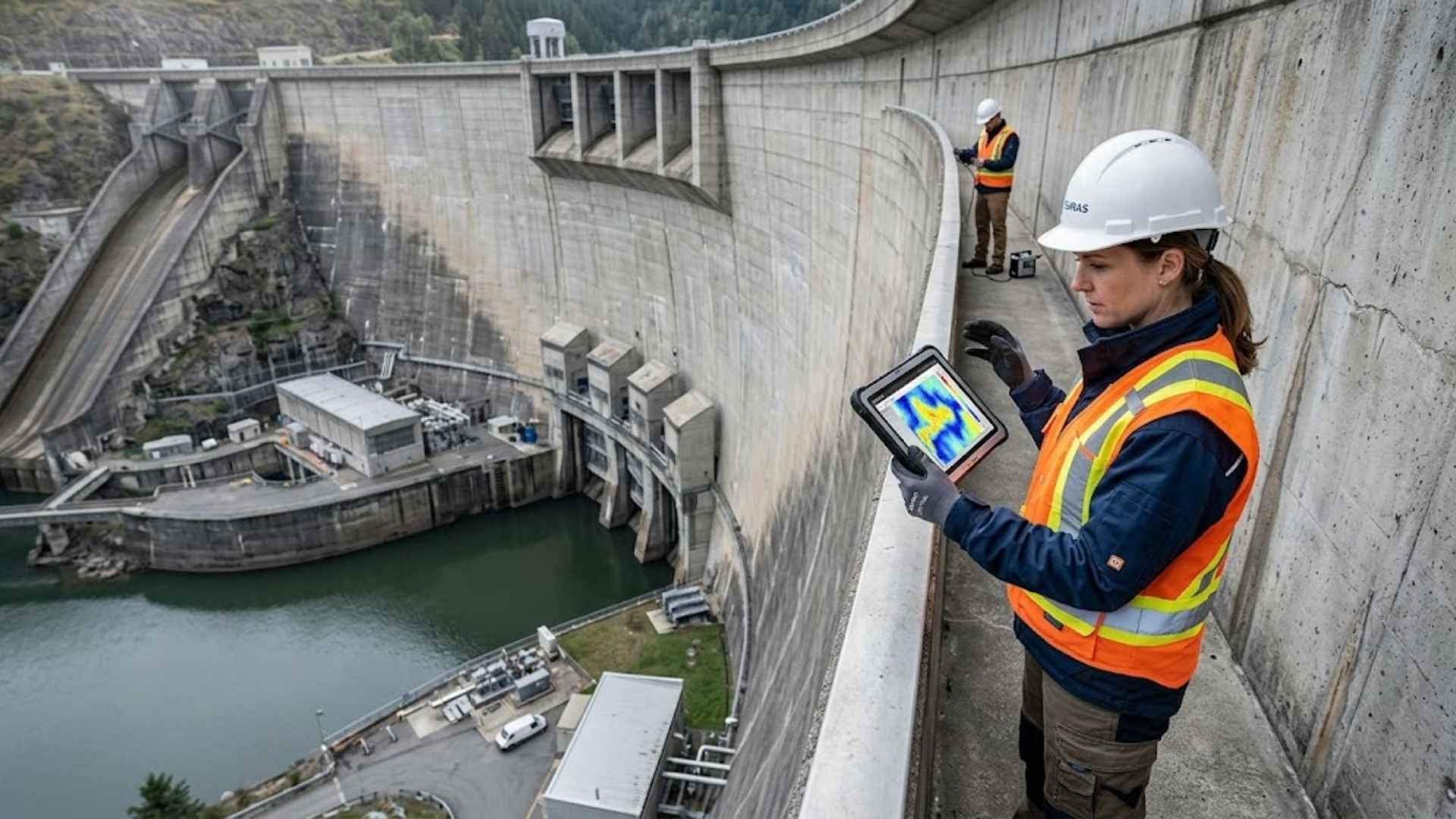
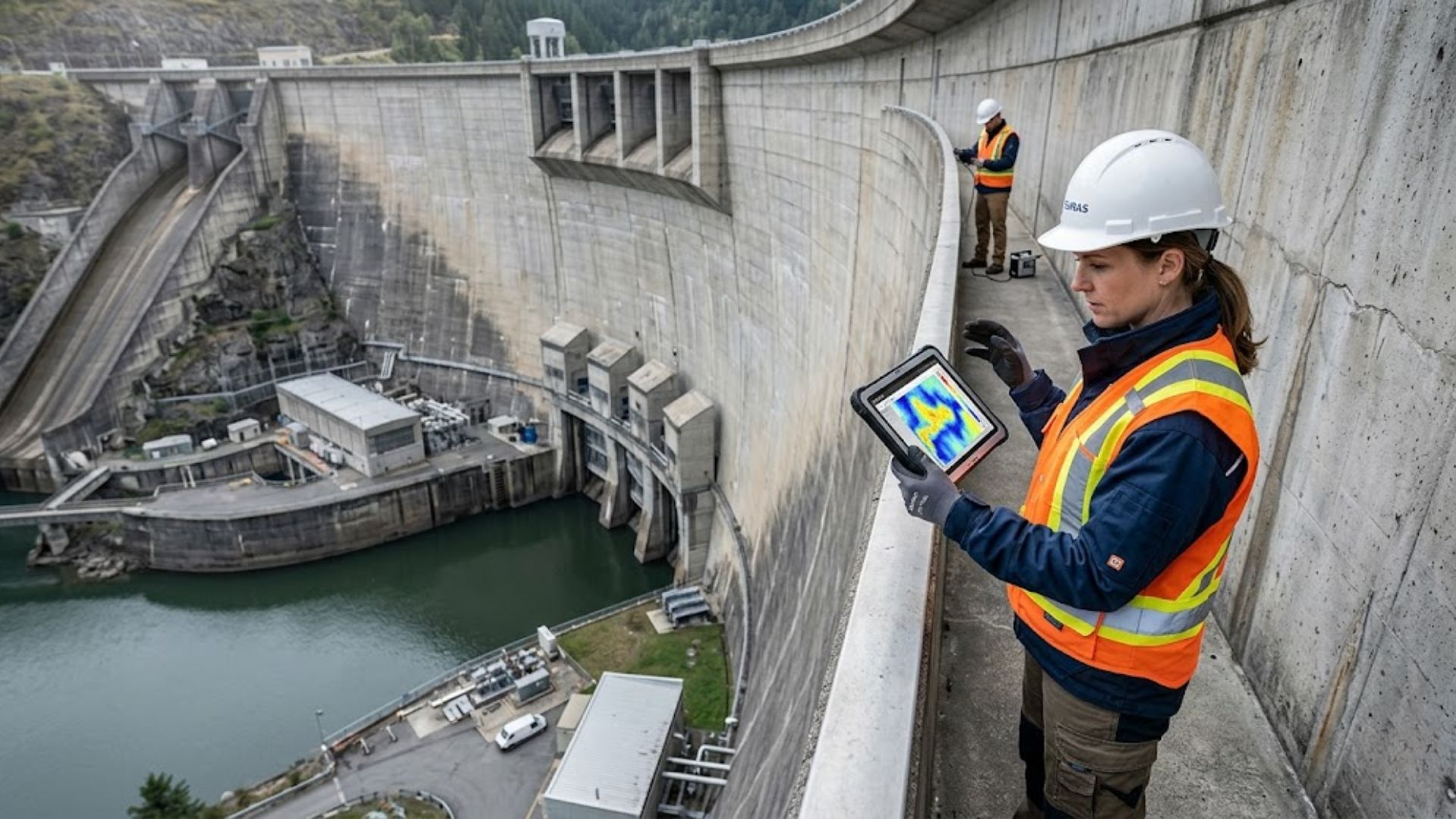
Dam repair is not a single activity. It is a risk-led program that combines condition assessment, urgency-based intervention, and long-term monitoring to keep people, operations, and downstream communities safe. For critical assets, the goal is not only to stop visible leakage but to reduce total failure risk and extend service life without unnecessary outages.
If you are managing a hydropower, water supply, or flood-control structure, this guide explains what to inspect first, how to choose repair methods, and which compliance checkpoints matter most.
Dam repair should start with hazard and consequence, then move to defect type, repair design, and verification. The right method depends on water pressure, crack movement, access, and whether operations can continue during works.
Dam safety has moved beyond "maintenance department" scope because the risk profile is changing. Older assets are under newer loading realities, including more intense rain events and stricter scrutiny on downstream consequences.
According to the ASCE 2025 dam infrastructure assessment:
These figures are why repair decisions must be tied to risk reduction outcomes, not only short-term defect closure.
For operators, this also affects insurance, regulatory confidence, and continuity planning. Delayed intervention usually increases total lifecycle cost because defects propagate into adjacent systems (joints, galleries, reinforcement, mechanical interfaces, and access corridors).
Effective dam repair is a sequence, not a product purchase.
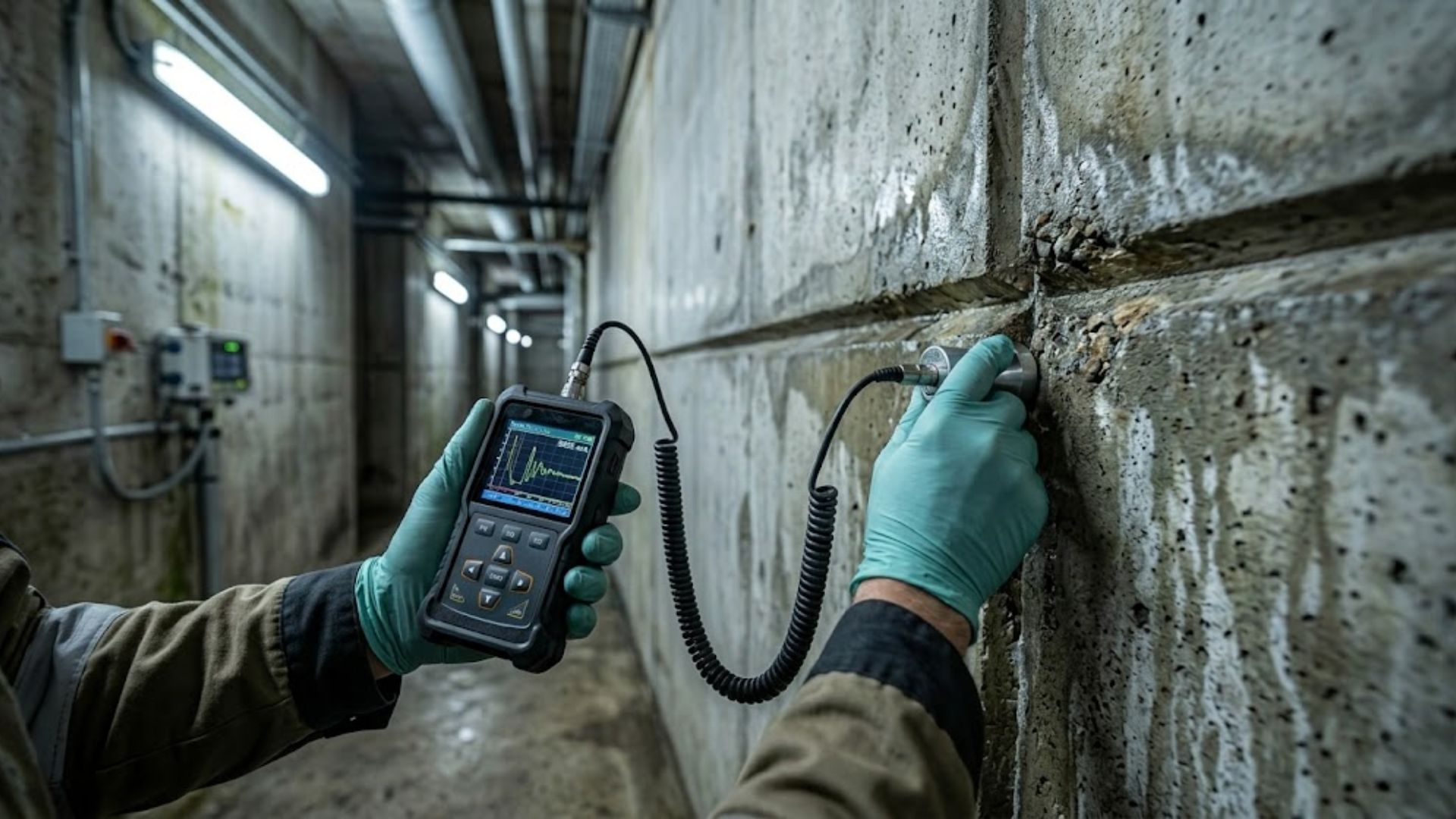
When defects involve active ingress in concrete interfaces, dam concrete repair services typically need to be coordinated with monitoring and inspection teams, not run as isolated works.

The "best" repair method is the one that addresses mechanism, pressure, and operating constraints simultaneously.
Best for:
Key advantage:
Best for:
Key limitation:
Best for:
Key requirement:
Best for:
Key requirement:
If your team is comparing approaches, this companion article can help frame selection criteria: Essential Dam Maintenance Procedures for Safety & Compliance.
Most owners cannot execute every intervention at once. A practical prioritization model:
This approach aligns with risk-informed asset management and reduces the false economy of repeated temporary fixes.
Regulatory expectations differ by jurisdiction, but strong repair governance normally includes:
The U.S. Bureau of Reclamation's Safety of Dams process is a useful benchmark for systematic review: Comprehensive Reviews every 8 years, a Periodic Facility Review halfway through, and annual reviews in intervening years (USBR Safety of Dams Program).
In addition, ASCE notes that state program eligibility standards include authority to require risk inspections of dams every five years (ASCE Report Card).
On high-consequence hydraulic structures, leak paths often follow joints and crack networks that stay active under pressure and movement. In those cases, surface-only repairs can look successful at handover but fail during subsequent loading cycles.
A representative example is EURAS's work at the Kissir Dam case study, where sealing was executed under demanding hydraulic conditions using high-pressure injection capability (up to 200 bar in project documentation) without reservoir lowering.
EURAS Technology specializes in injection waterproofing for critical infrastructure, including dams, tunnels, and industrial hydraulic structures. Our EU-patented mineral gel system has been applied across Europe, the Middle East, and North Africa for more than 25 years.
If you are seeing similar leakage progression, joint deterioration, or repeated repair failure in your asset, talk to a dam repair specialist before the next wet-season load cycle.
How do I know if a dam defect needs immediate repair?
Treat active leakage in high-consequence zones, fast crack propagation, and defects tied to known failure modes as urgent. Severity is about consequence and progression rate, not visual size alone.
Is dam leakage always a structural failure sign?
Not always, but persistent or changing leakage patterns should be investigated quickly. The key question is whether leakage behavior is stable, explainable, and within tolerable risk.
Can repair be done without shutting down operations?
In many cases, yes. Methods such as targeted injection and staged access planning can reduce or avoid full shutdown, depending on safety constraints.
How often should repaired zones be re-inspected?
Set frequency by risk class and observed behavior. High-consequence or previously unstable zones require tighter monitoring intervals.
What is the difference between dam repair and dam rehabilitation?
Repair usually addresses specific defects; rehabilitation generally refers to broader performance upgrades and life-extension programs.
Should we prioritize cracks or joints first?
Prioritize by risk pathway and consequence. In many structures, joints are dominant ingress routes and should be assessed first.
What documentation should a contractor provide after repair?
Method statement, material records, test results, as-built repair maps, and monitoring recommendations should be standard close-out deliverables.
How does this relate to maintenance planning?
Repair and maintenance should be integrated. Use this related guide for operating procedures and compliance structure: Essential Dam Maintenance Procedures for Safety & Compliance.
Dam repair programs succeed when they are risk-led, evidence-based, and designed for long-term stability, not short-term symptom control. With aging infrastructure and rising consequence exposure, early specialist intervention is usually the lowest-risk and lowest-lifecycle-cost route.
Next step: If your dam is showing active leakage, joint distress, or recurring defects, request a technical site survey so your team can prioritize works by risk and implement permanent solutions.
Request a site survey | Explore dam concrete repair services