+1 (954) 787-2570

Email: hello@eurastechnology.com


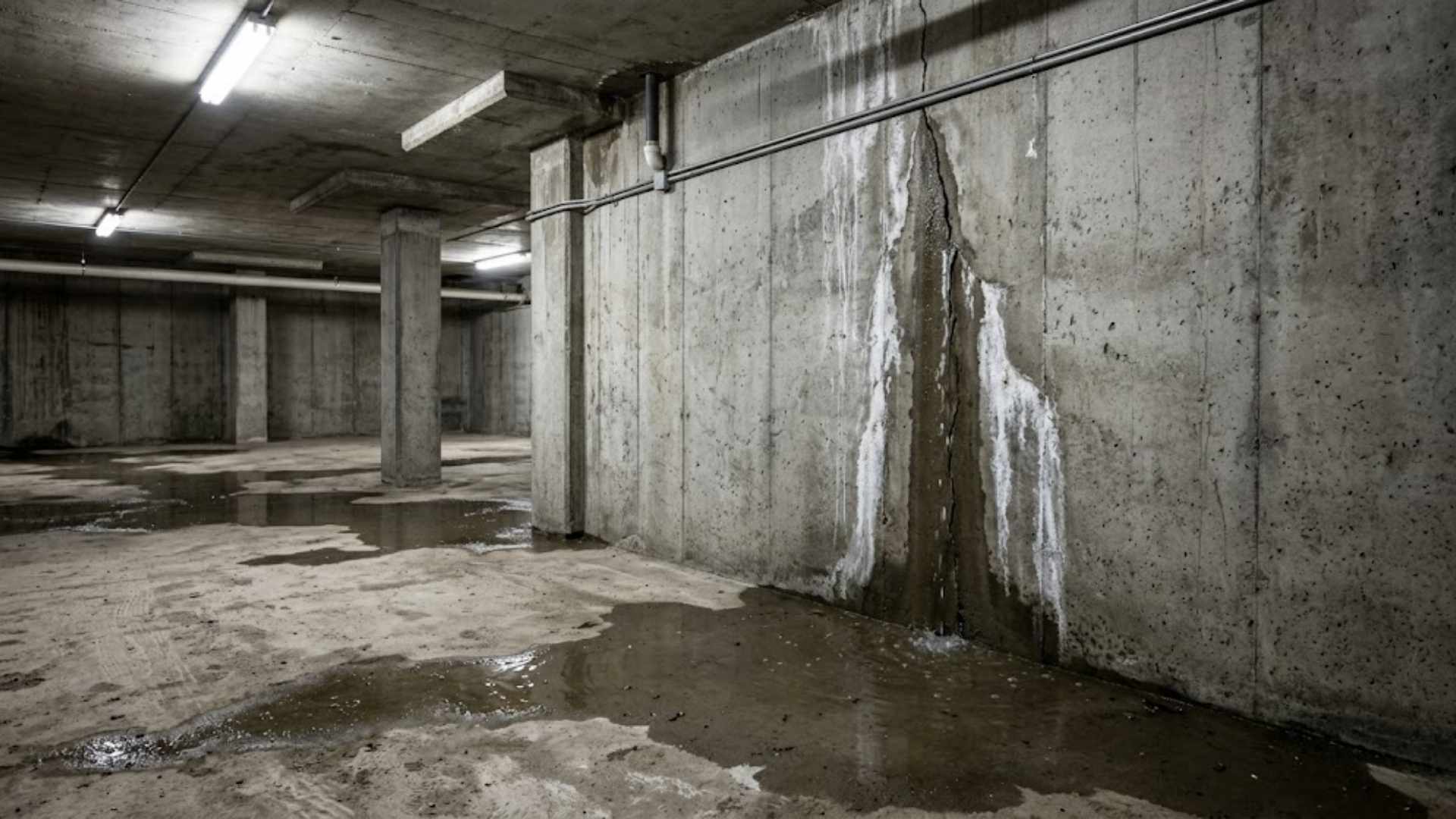
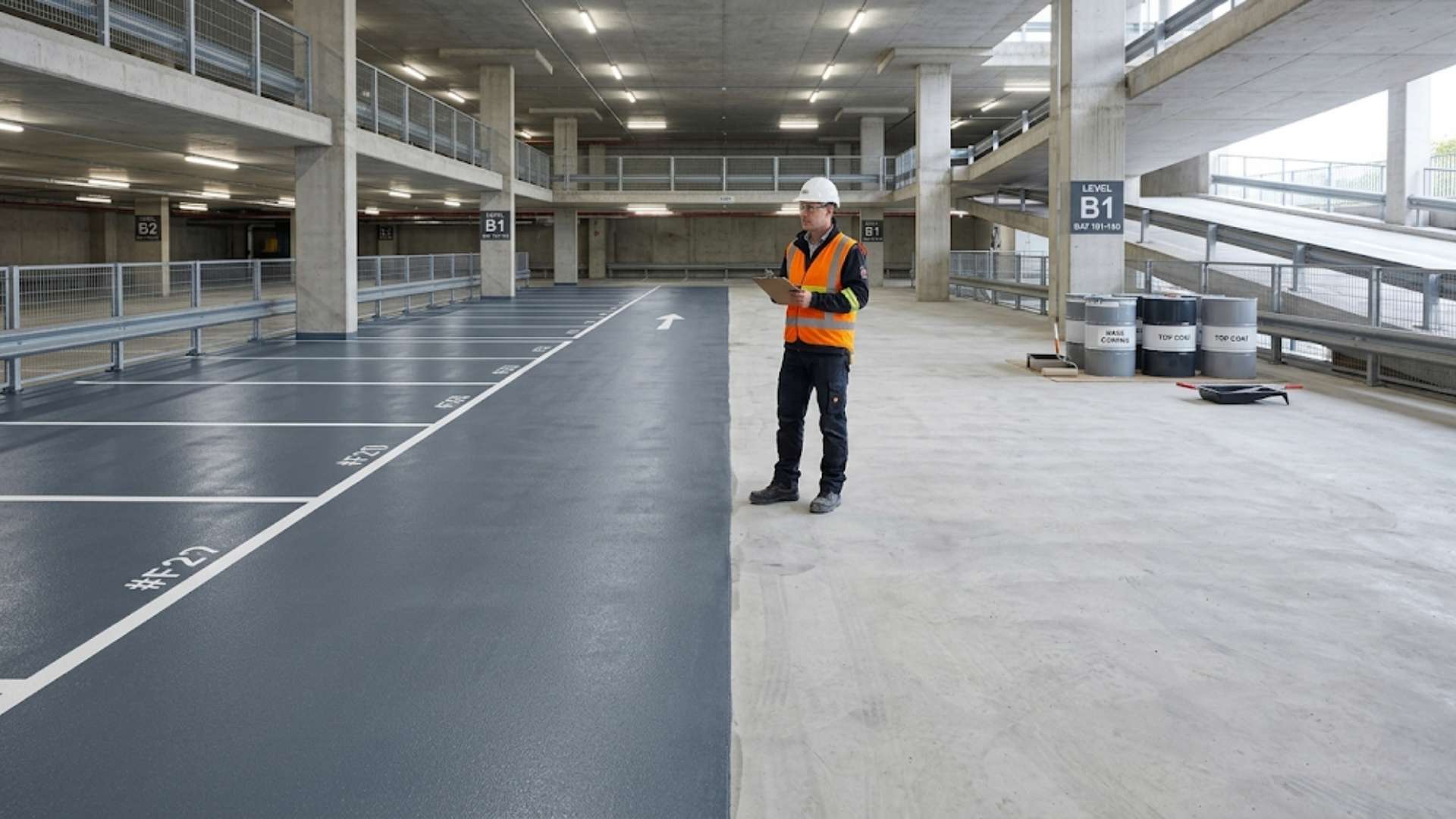
The best concrete repair product is not the one with the most marketing claims. It is the one whose performance class, bond behavior, and durability profile match your defect mechanism and service environment. In 2026, the selection gap is usually not "product availability"; it is incorrect specification.
This guide helps you choose product categories with standards-first criteria, so your repair lasts under real loading, moisture, and movement conditions.
In professional repair work, "best" should mean:
The biggest cause of repeat failure is category mismatch. For example, a fast cosmetic patch can look good initially but fail quickly in an active crack or water-bearing interface.
Best for:
Primary decision variables:
Best for:
Primary decision variables:
Best for:
Primary decision variables:
Best for:
Primary decision variables:
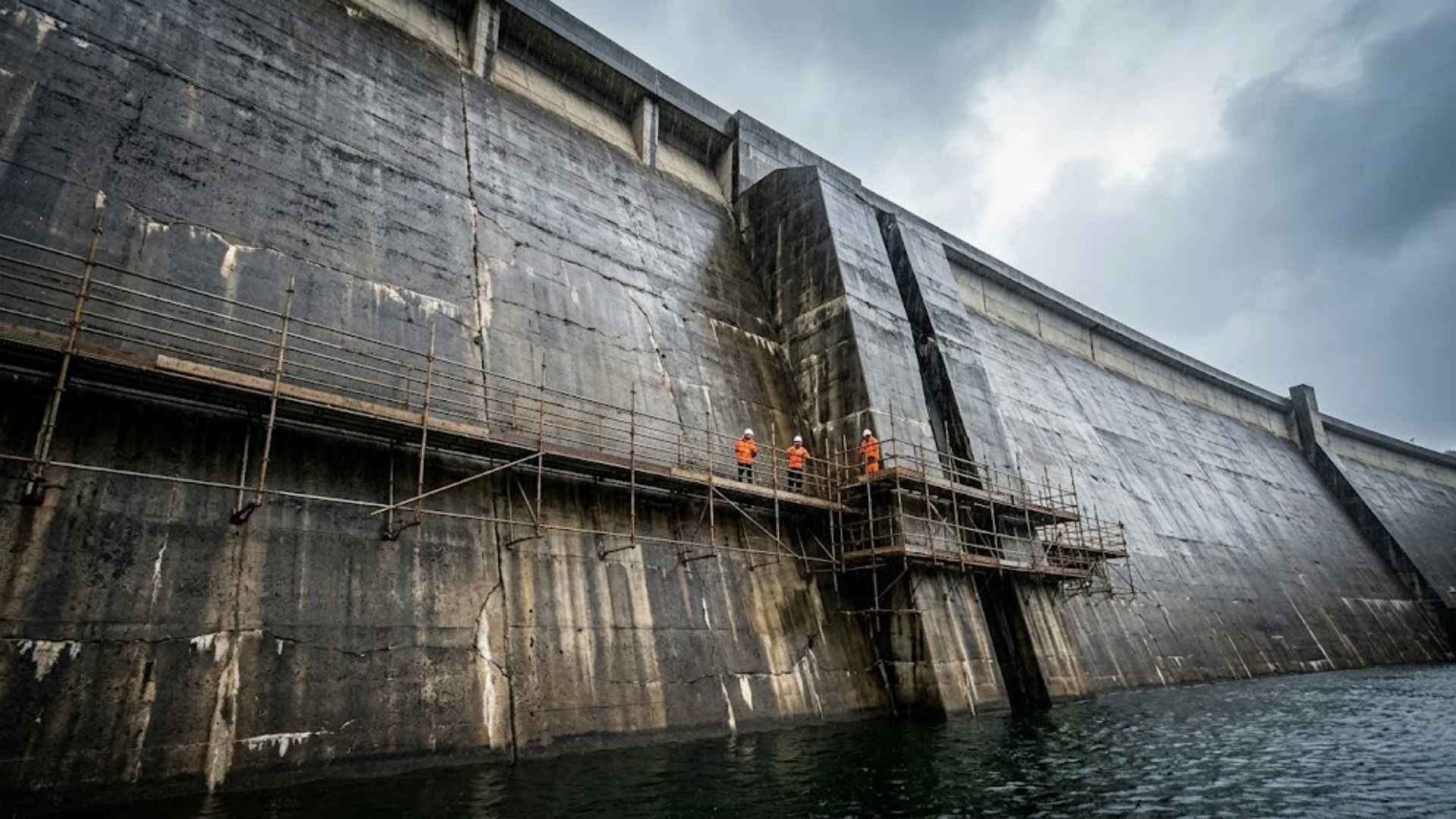
If you are working in active leak conditions, pair product selection with intervention planning from dam repair guidance and dam maintenance procedures.
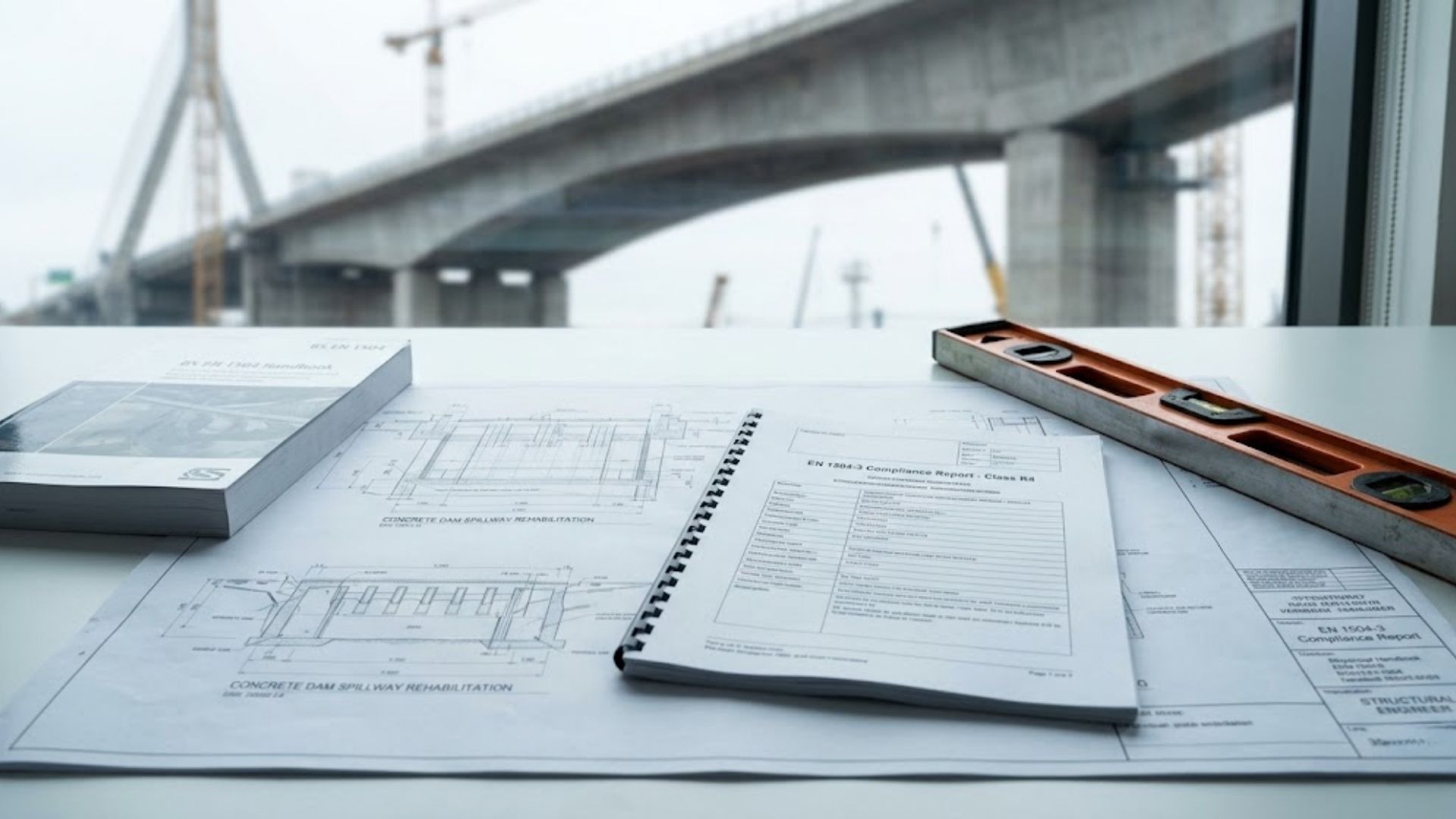
Many teams ask for "EN 1504 compliant" without checking which part and class applies. For repair mortars, EN 1504-3 class data is one of the most useful prequalification tools.
From published EN 1504-oriented technical documentation:
Source: Sika guide to concrete repair in accordance with EN 1504
Before approving any product, request:
Use this sequence to reduce failure risk:
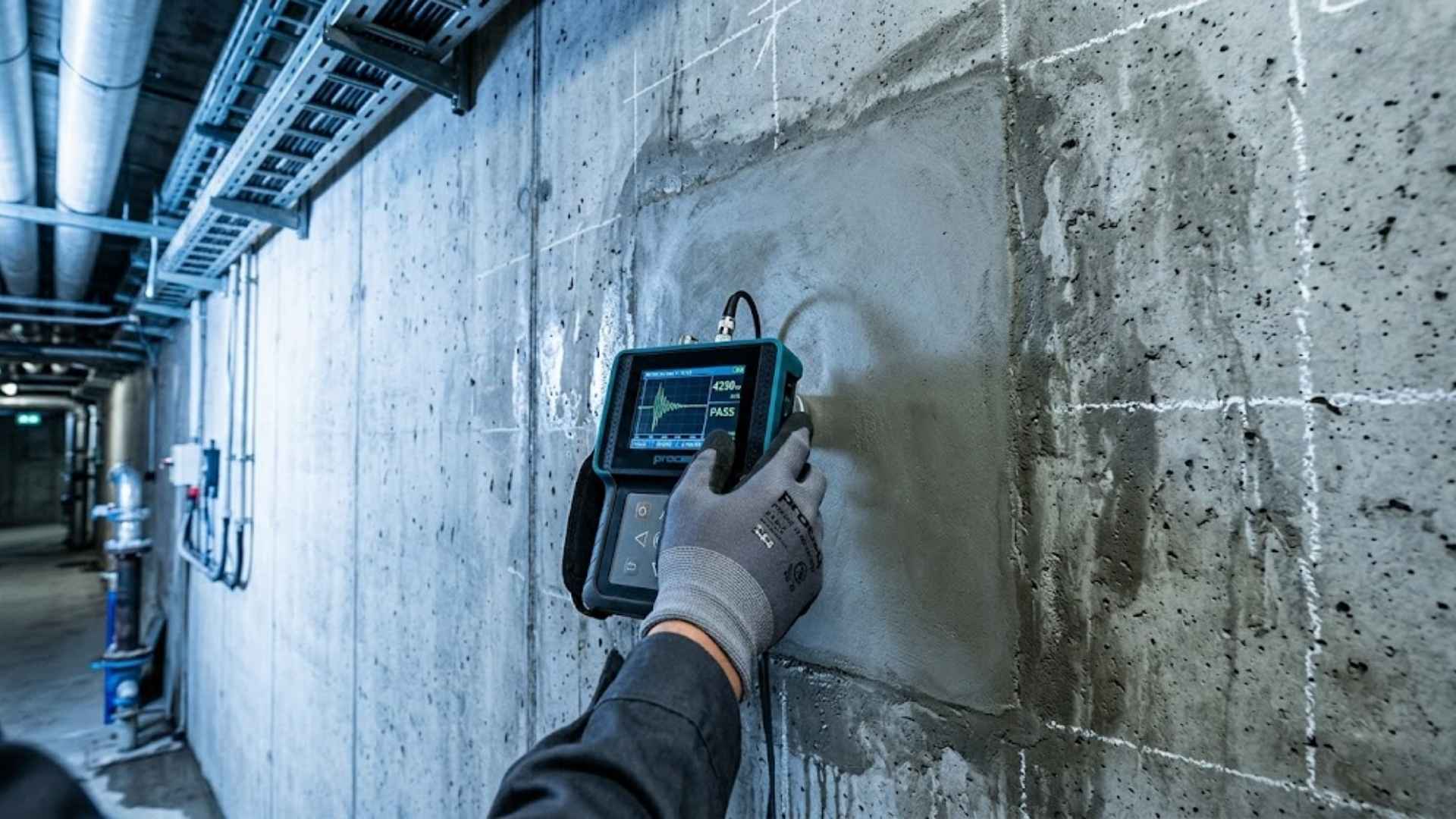
Material unit price is usually not the dominant cost in concrete repair projects. The expensive part is failure and rework:
For high-consequence assets, total-cost decisions should include defect progression risk and outage exposure, not only first-pass material price.
This is especially true in hydraulic and underground structures, where unresolved ingress can continue degrading concrete and reinforcement behind a visually acceptable surface.
In concrete leakage scenarios, product choice is often framed as "which brand?" when the real question is "which behavior under this pressure and movement profile?"
EURAS projects in dams, tunnels, and underground galleries repeatedly show that long-term performance comes from system matching: diagnostic mapping + compatible injection/repair materials + verification testing. In heavy-duty hydraulic work, project records include high-pressure interventions (up to 200 bar in selected dam applications) where continuity constraints rule out extensive shutdown.
EURAS Technology specializes in permanent leak-sealing and concrete waterproofing for critical infrastructure using EU-patented mineral gel technology, with over 25 years of project experience across Europe, the Middle East, and North Africa.
If your current repair spec is focused on product names but not defect mechanics, request a technical review before tender issue.
1) What is the best concrete repair product for structural cracks? For structural scenarios, start with defect behavior and required class performance. Product selection should be based on standards, bond, and long-term movement/water conditions, not brand alone.
2) Is higher compressive strength always better? No. Very high compressive strength can still fail if bond, modulus compatibility, or moisture behavior is wrong for the substrate and loading conditions.
3) What does EN 1504-3 R4 mean in practice? It indicates a higher-performance repair class used for structural concrete repair contexts, with benchmark requirements including higher compressive strength and bond performance.
4) Should I use one product for all defect types? Usually not. Different mechanisms (spalling, active crack leakage, moving joints) often require different systems.
5) How do I evaluate concrete crack repair products for wet conditions? Confirm suitability under moisture/active ingress and request project-relevant test evidence, not only dry-lab values.
6) Are floor repair products suitable for dam or tunnel repairs? Not automatically. Infrastructure repairs often require stricter durability and hydraulic compatibility criteria.
7) What documentation should procurement request? Declaration/performance class, technical datasheet, application limits, QA acceptance criteria, and method statement.
8) Where can I get help selecting products for critical infrastructure? Start with a specialist diagnostic and specification review: talk to EURAS.
In 2026, the best concrete repair products are the ones correctly matched to defect mechanics, exposure environment, and performance class requirements. A standards-first selection process consistently outperforms brand-led purchasing.
Next step: If you are specifying or procuring repairs for water-affected concrete, request a site survey and technical method review so your team can choose products that deliver permanent, verifiable outcomes.
Request a site survey | See concrete crack injection services