+1 (954) 787-2570

Email: hello@eurastechnology.com


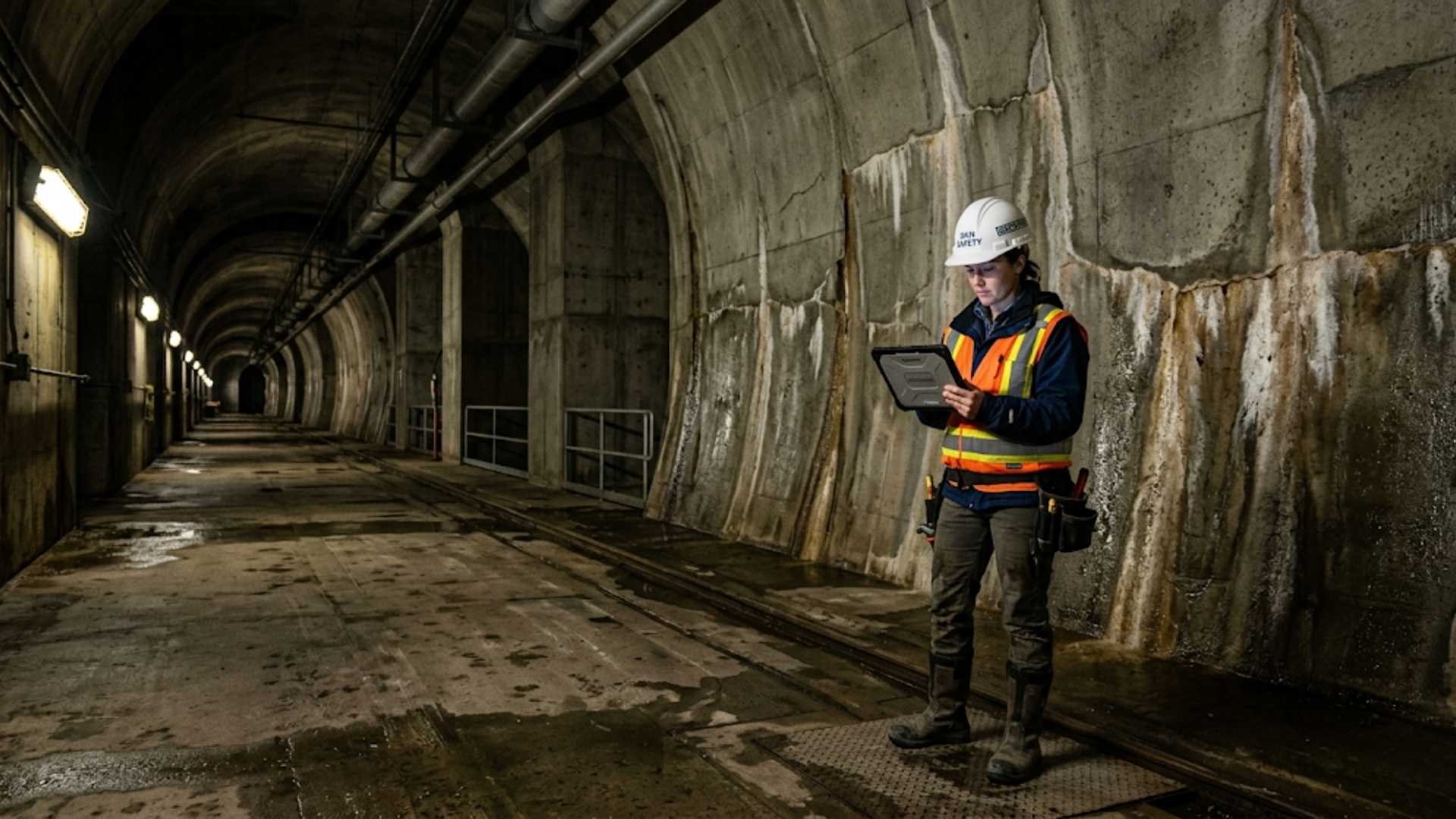

Dam maintenance procedures should do two things at the same time: reduce risk and demonstrate control. If your process is only a checklist, it may miss emerging failure mechanisms. If it is only engineering analysis, it may fail compliance and audit requirements.
This guide gives a practical, compliance-ready framework you can adapt for hydropower, water supply, flood-control, and industrial retention assets.
Effective dam maintenance is a system of inspection, intervention, emergency readiness, and documentation. The strongest programs are risk-based and schedule-driven, with clear escalation rules.
A robust maintenance program has five linked elements:
If one element is weak, the system becomes reactive. For example, strong inspections without escalation triggers still allow known defects to drift toward emergency status.
Inspection must be multi-layered.
Use full multidisciplinary review cycles to reassess assumptions and loading conditions. The USBR model is a practical benchmark: CR every 8 years, midpoint facility review, and annual review activities.
ASCE notes average staffing pressure is high, with a single state dam safety official potentially responsible for around 190 dams. That makes clear procedures, prioritization, and documentation essential.

Auditors and regulators usually look for evidence of control, including:
Programs with these controls are better positioned to justify funding, pass audits, and reduce legal exposure after incidents.
For repair-heavy portfolios, combine maintenance governance with technical delivery from dam concrete repair and non-destructive testing teams.
Problem: teams record observations but do not quantify trend severity. Fix: add measurable thresholds and mandatory escalation triggers.
Problem: symptom control replaces root-cause intervention. Fix: use defect recurrence as an escalation criterion for specialist repair.
Problem: activity happened, but evidence is incomplete for compliance review. Fix: enforce standardized templates and close-out signoff.
Problem: emergency plans exist, but trigger conditions are outdated. Fix: update EAP logic with current risk and condition findings.
In operational dam environments, maintenance programs often surface recurring leakage or joint-related defects before they become acute incidents. The highest-value intervention point is usually between first recurrence and full operational disruption.
EURAS has supported critical infrastructure teams on pressure-driven leakage scenarios where operations had to continue and interventions required specialist injection and verification workflows. Project references include dam and hydropower environments where high-pressure conditions and strict access constraints made conventional patching unsuitable.
EURAS Technology specializes in critical-infrastructure waterproofing and leak sealing across dams, tunnels, and industrial assets using EU-patented mineral gel systems, with 25+ years of field experience.
If your maintenance logs show repeated leak recurrence, request a technical assessment before recurrence converts into emergency response.
How often should dams be inspected for compliance?
It depends on jurisdiction and hazard class, but robust programs include regular operational inspections plus periodic and major reviews. Many frameworks use five-year risk-inspection authority and longer-cycle comprehensive reviews.
What should be in a dam safety inspection checklist?
Seepage behavior, cracking/spalling, instrumentation status, drainage performance, mechanical access safety, and change-from-baseline indicators.
How do I prioritize maintenance tasks on aging dams?
Use consequence-based triage: life-safety exposure first, then operational criticality, then condition-stabilization tasks.
What is the difference between maintenance and rehabilitation?
Maintenance sustains performance and controls defects; rehabilitation upgrades or restores broader system capability and service life.
How important are Emergency Action Plans?
Critical. EAPs are a core public-safety control and should be tested and updated with current risk findings.
Can maintenance work proceed while the facility remains operational?
Often yes, with staged methods and risk controls. High-risk defects may still require temporary restrictions depending on conditions.
Which teams should own dam maintenance governance?
Best practice is cross-functional: operations, engineering, safety/compliance, and specialist repair support.
Where should I start if our process is inconsistent?
Start with a baseline condition review, defect coding framework, and inspection calendar update, then align intervention methods to risk class.

Essential dam maintenance procedures are not paperwork overhead; they are your primary control system for safety, compliance, and lifecycle cost. The strongest programs combine disciplined inspection cycles, clear escalation, and evidence-based intervention planning.
Next step: If your team needs to tighten maintenance governance or recurring leak response, request a site survey and technical review to align procedures with current risk and compliance needs.
Request a site survey | Explore dam concrete repair solutions